
Roof Care
Roof Repair Boca Raton: Warning Signs & Wind Damage…
Spot tile leaks, flashing failures, and wind damage on your Boca Raton roof. Use our homeowner checklist, then book a roof inspection with PSR Roofing.
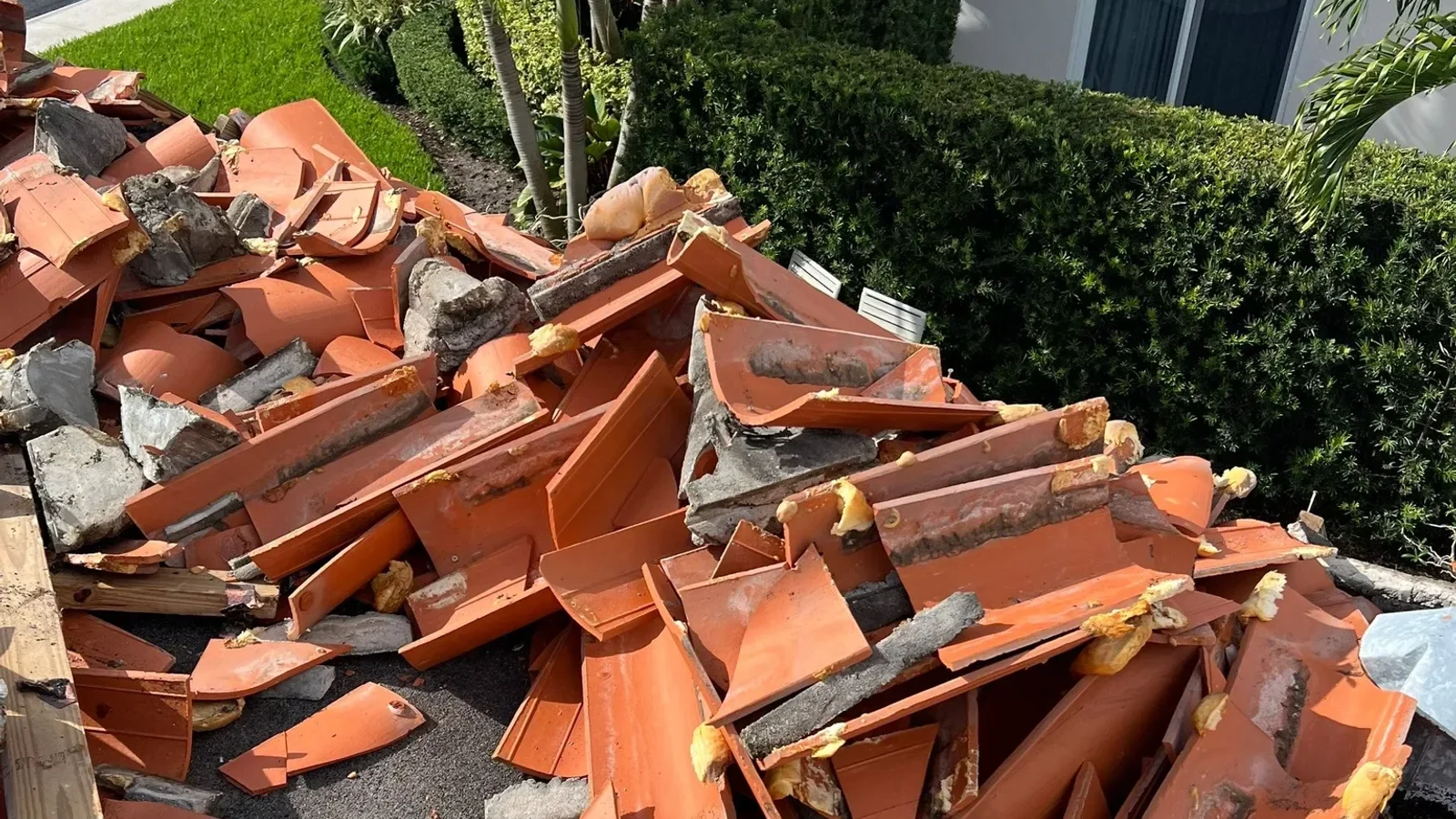
Most roof problems in South Florida don't announce themselves with a waterfall in the living room. They start small: a cracked tile, a lifted shingle tab, a faint stain on the ceiling after an afternoon storm. This checklist walks you through what to look for, what wind and heat actually do to a roof here, and when roof repair in Boca Raton becomes a job for a pro rather than something to monitor.
The short version: what to check this weekend
You don't need a ladder to catch most early warning signs. Start inside, then walk the yard. That covers the majority of what a homeowner can safely see.
Inside the house
Look up. Ceiling stains, especially yellowish rings or brown edges, are the most common first clue. Check closets and corners of upper rooms, since water often travels along framing before it shows. Bubbling paint, a musty smell in one room, or soft drywall near an exterior wall all deserve attention.
If you have attic access and can enter safely, take a flashlight on a sunny day. Daylight through the decking is a red flag. So are dark water marks on rafters or damp insulation.
From the ground
Walk the perimeter with binoculars if you have them. You're looking for broken or slipped tiles, shingles that look lighter or missing, sagging along the ridge, and debris piled in valleys. Check the ground too. Tile fragments in flower beds or granules collecting at downspout outlets tell you something up top is wearing.
What not to do
Don't climb onto the roof. Tile breaks underfoot, wet surfaces get slick fast, and a fall from roof height can be serious. Leave anything above the gutter line to a licensed roofing professional.
Wind damage doesn't always look like damage
Here's the counterintuitive part. After a strong storm, the roofs that look perfectly fine from the street can be the ones with the bigger problem. Wind rarely rips a whole roof off in a typical squall. It loosens things.
Uplift and lifted edges
Strong gusts create suction across the roof surface. On shingle roofs, that can break the adhesive seal under shingle tabs. The shingle settles back down and looks normal, but it's no longer bonded. The next storm finishes the job. Edges, rakes, and ridges take the hardest hit because wind pressure concentrates there.
Loose tiles and broken bonds
Concrete and clay tile roofs are common across Boca Raton, and they handle sun well. Wind can still shift tiles, crack the mortar or adhesive holding them, or snap tile corners. A tile that has moved even slightly can let wind-driven rain reach the underlayment beneath.
Flying debris
Palm fronds, branches, and loose patio items become projectiles in a storm. Impact damage often shows as a single cracked tile or a small puncture. It's easy to miss, and it's exactly where leaks start.
Tile roof leak signs Boca Raton homeowners tend to miss
Tile itself is rarely the waterproofing layer. It's the armor. The underlayment beneath it does the real work of keeping water out, and that's why tile leaks can be hard to spot.
Underlayment wear
Years of heat cycling bake the underlayment under your tiles. As it dries out and cracks, water that slips past the tile no longer gets shed to the eaves. Instead it reaches the decking. You often won't see anything wrong from outside. The first sign is usually inside.
Cracked or slipped tiles
A single cracked tile might not leak today. Over time, though, it funnels water to one spot on the underlayment, which wears faster there. Slipped tiles that sit lower than their neighbors break the overlap pattern designed to shed rain.
Stains that show up only in certain storms
Some leaks only appear when rain blows from one direction. If a stain grows after storms from the east but not from the west, that pattern helps a roofer narrow down the source. Jot down dates and wind direction when you notice changes. It genuinely helps.
Flashing, valleys, and penetrations: where most leaks actually start
Ask roofers where leaks come from and many will point past the main roof surface. Transitions and openings are the weak points.
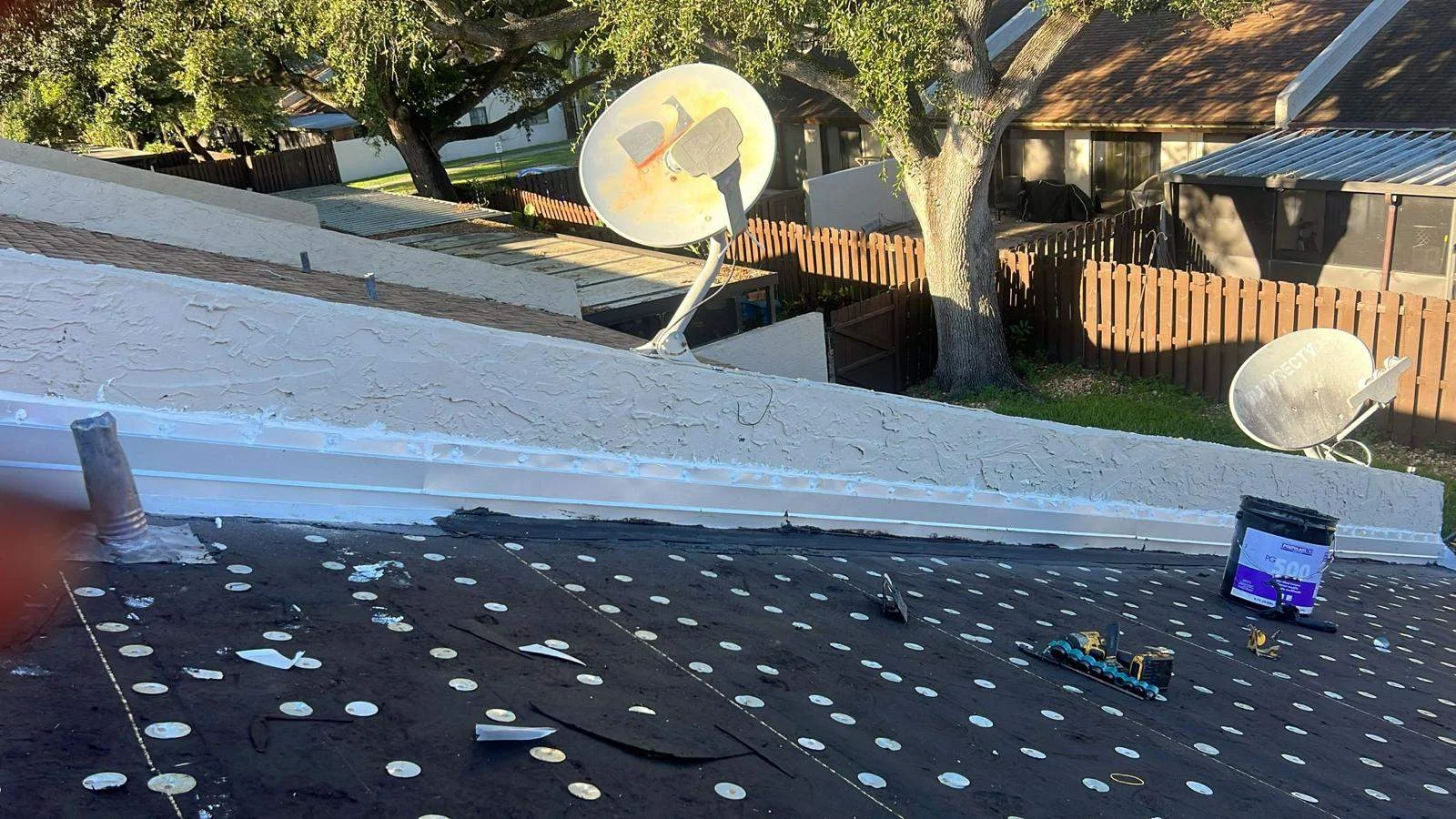
Flashing around walls and chimneys
Flashing is the metal that seals joints where the roof meets a wall, chimney, or skylight. Sealant around it breaks down under UV exposure. Rusted, bent, or separated flashing lets water run straight behind it. From the ground, look for dark streaks below these joints.
Valleys
Valleys are where two roof slopes meet, and they carry a lot of water. Leaves and frond debris collect there and hold moisture against the roof. A clogged valley can push water sideways under tiles or shingles during heavy rain.
Vents, pipes, and roof penetrations
Plumbing vents, exhaust fans, and other penetrations rely on boots or collars to stay watertight. Rubber boots crack in strong sun. Lead and metal collars can loosen. These small components cause an outsized share of leaks.
Repair, watch, or call today? A quick decision guide
Not every issue needs the same urgency. Use this list to sort what you're seeing.
| What you notice | Likely cause | Suggested next step |
|---|---|---|
| Active dripping or water coming through a ceiling | Failed underlayment, flashing, or storm damage | Call for emergency service now |
| Ceiling stain that grows after rain | Slow leak at tile, valley, or penetration | Schedule repair soon |
| Several cracked or slipped tiles | Wind, impact, or age | Schedule repair before the next storm |
| Lifted or missing shingle tabs | Wind uplift | Schedule repair soon |
| Rusted or separated flashing | Sealant and metal wear | Book an inspection |
| Granules or tile fragments on the ground, no leak | General surface wear | Book an inspection to assess condition |
| Debris piled in valleys | Trees and storms | Have it cleared and checked |
When it's an emergency
Water actively entering the home is an emergency. So is a section of roof that's visibly open after a storm. Move valuables, place buckets, and turn off power to any area where water reaches light fixtures or outlets. Then call. PSR Roofing Company of Boca Raton offers 24-hour emergency roof leak repair for exactly these situations.
When a repair still makes sense
Localized damage on an otherwise sound roof usually calls for a repair. Replacing broken tiles, resealing flashing, or swapping a cracked vent boot can extend a roof's useful life. If you're weighing a repair against something bigger, our post on deciding between tile roof repair and replacement covers that decision in more depth.
When it's time to look at replacement
Widespread underlayment failure, repeated leaks in different spots, or soft decking across large areas point toward replacement. A good roofer will tell you plainly which side of that line you're on.
What a Boca Raton roof damage inspection actually covers
A real inspection is more than a glance from the driveway. Here's what a thorough one typically includes.
Exterior surface check
The inspector walks the roof where safe, checking tile or shingle condition, fastening, ridge and hip caps, and edges. They look closely at areas that took wind or impact. Photos document what they find.
Flashing, valleys, and penetrations
Every transition gets attention: wall flashing, chimney seals, skylights, vents, and pipe boots. Valleys are checked for debris and wear. Gutters and drainage come into it too, since standing water at the eaves causes its own problems.
Attic and interior review
Where accessible, the attic tells the honest story. Inspectors look for water staining, damp insulation, daylight, and ventilation issues. Poor attic ventilation traps heat, which can speed up underlayment wear. You should leave with a clear explanation of what's wrong and what isn't.
Choosing who works on your roof
Searching "roof repair near me" will give you plenty of options. Narrowing them down takes a few honest questions.
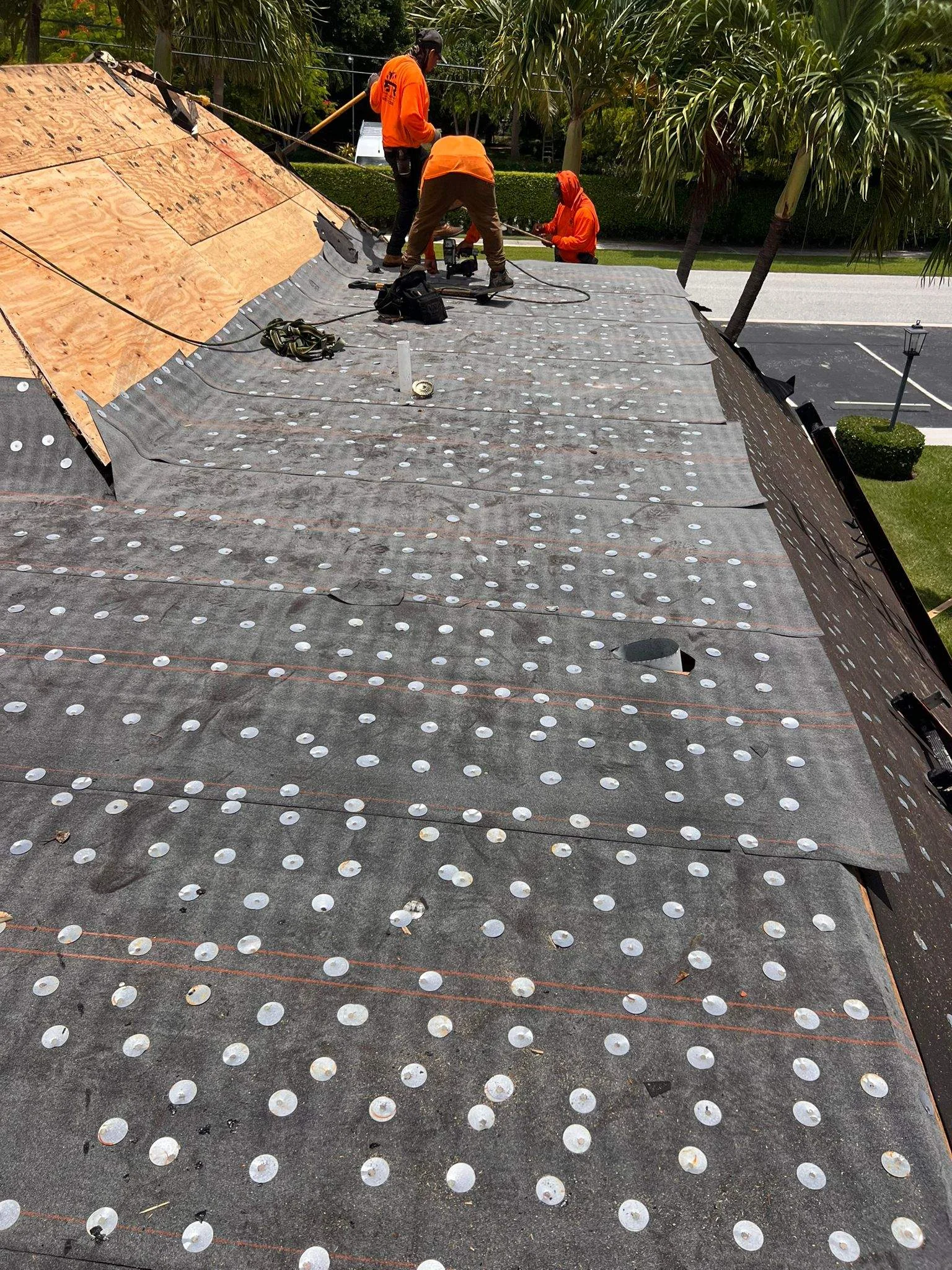
Licensing and insurance
Ask for proof of state licensing and current insurance. Permit requirements for roof work vary by scope and jurisdiction, so check with your local building department or a licensed contractor about what applies to your job.
Clear explanations and photos
A contractor should show you the problem, ideally with photos, and explain the fix in plain terms. If you can't tell what you're paying for, ask again. Comparing quotes works best when each one spells out materials, scope, and what's included.
Local experience
South Florida roofs face heat, humidity, salt air near the coast, and hurricane season. A local team knows how tile, flashing, and underlayment behave here. At PSR Roofing Company of Boca Raton, we handle repairs, inspections, replacements, and storm calls across Boca Raton and nearby cities.
FAQ
How do I know if my tile roof is leaking?
Watch for ceiling stains, musty smells, or damp attic insulation. Cracked or slipped tiles visible from the ground are another clue, though many tile leaks start in the underlayment you can't see.
Should I get an inspection after every storm?
Not every storm. After strong winds, a named storm, or any new interior stain, an inspection is a smart move, since wind damage often isn't visible from the street.
Can I put a tarp on my roof myself?
We don't recommend it. Climbing a wet or damaged roof is risky. Call a professional for temporary protection.
Is a single cracked tile worth fixing?
Usually, yes. One cracked tile can channel water to the same spot of underlayment and wear it out faster.
How long does a typical roof repair take?
It depends on the damage, materials, and weather. Small repairs like replacing a few tiles or a vent boot are often quick, while larger flashing or underlayment work takes longer.
Do you serve areas outside Boca Raton?
Yes. We work in Boca Raton, Delray Beach, and nearby cities. Reach out to confirm your address.